What are the visible signs of mold?
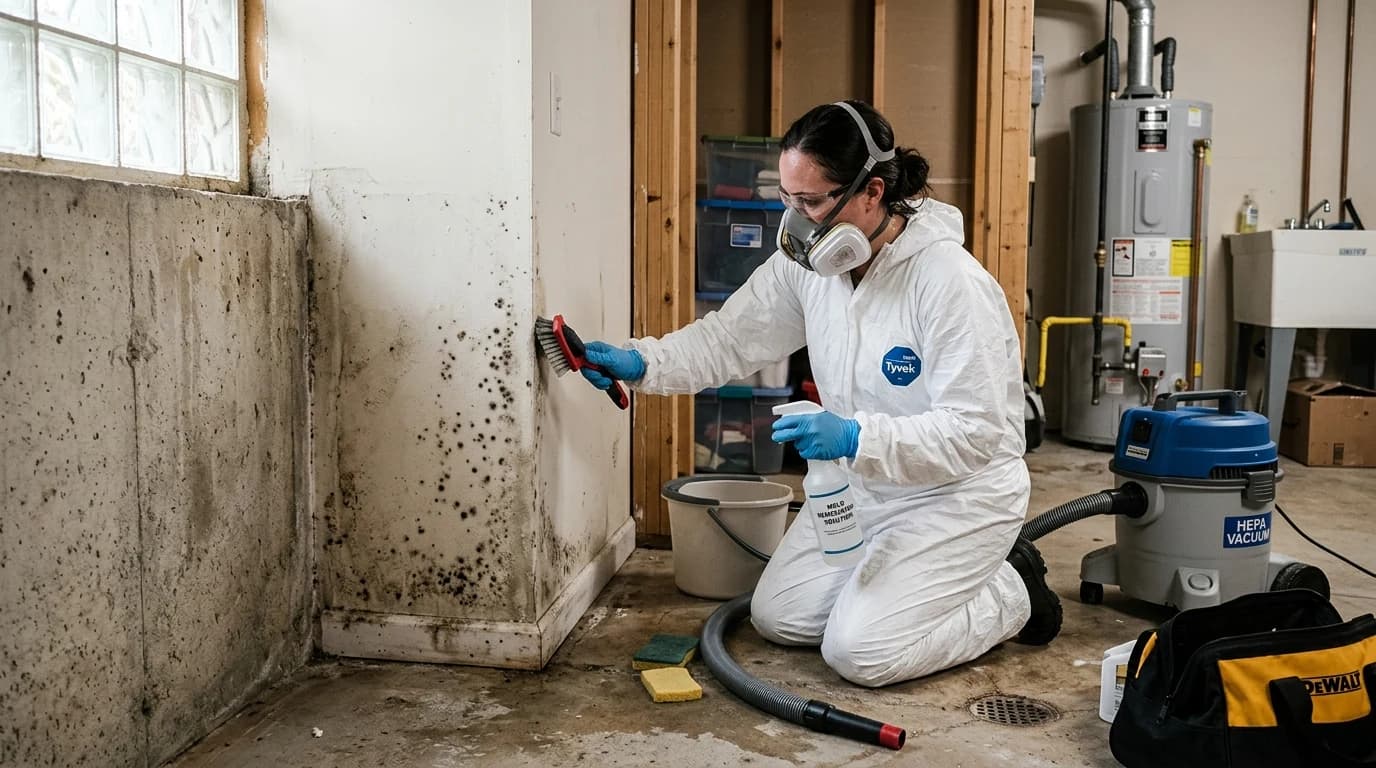
Mold often starts as small, discolored spots on walls, ceilings, or floors. These spots can be green, black, or even white and are more likely to appear in damp areas like bathrooms, basements, and kitchens. Regularly inspecting these areas can help you catch mold before it spreads. Mold thrives in environments with moisture, so pay attention to any leaks or water stains, which can become breeding grounds for mold. If you notice any unusual stains or discoloration, it might be time to call a professional for an assessment. Don’t forget to check less obvious places like under sinks or around window frames, where condensation might accumulate. You can contact us for more details on our services and expert advice. Additionally, consider using a flashlight to inspect dark areas, as mold can easily hide in shadows. Another tip is to gently rub a suspected mold spot with a damp cloth. If the spot spreads, it may indeed be mold.
What smells indicate mold presence?
A musty odor is a strong indicator of mold, even if you can't see it yet. This smell is often compared to that of wet socks or rotten wood. It’s important to trace the source of the smell, which might be hidden in HVAC systems, under carpets, or behind wallpaper. Consider ventilating your home regularly and keeping humidity levels in check to prevent mold. An air purifier can also help reduce odors temporarily, but it won't solve the root issue. To identify the source, try to isolate different areas of your home by closing doors and tracking where the smell is strongest. Be aware that mold can grow in places you might not expect, such as behind drywall or inside ductwork, making it difficult to pinpoint without professional help. In Haworth, where humidity can fluctuate, using a dehumidifier can also be an effective way to maintain optimal indoor humidity levels, ideally between 30% and 50%. Regularly cleaning and maintaining your HVAC system can prevent mold spores from circulating throughout your home.
Are there any health symptoms related to mold?
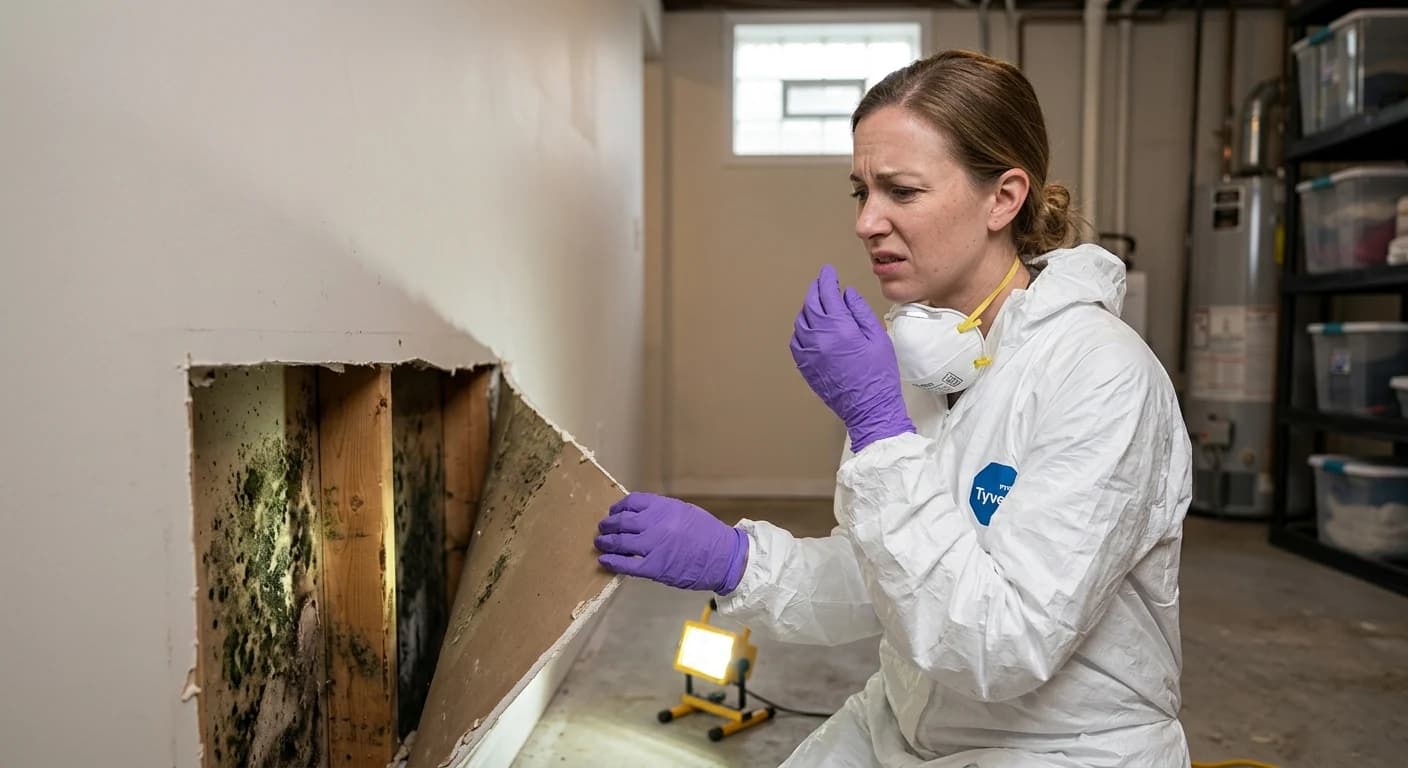
Health symptoms such as sneezing, coughing, or itchy eyes can be early indicators of mold exposure, especially in homes with existing moisture issues. Pay attention to whether symptoms improve when you leave the house and worsen upon return. Mold can particularly affect those with asthma or allergies. Addressing these symptoms by seeking medical advice and a mold inspection is crucial. Other symptoms may include skin rashes, headaches, or nasal congestion. In some cases, prolonged exposure to mold can lead to more severe respiratory conditions or exacerbate existing health problems. If you or your family members experience persistent cold-like symptoms without a clear cause, it might be worth investigating a potential mold problem. For those with compromised immune systems, the presence of mold can pose significant health risks, making early detection and remediation even more critical. In Haworth, where seasonal allergies are common, distinguishing between allergy symptoms and mold exposure is important, and consulting with a healthcare professional can provide clarity.
How to Prevent Mold Growth in Your Home?
Preventing mold growth starts with controlling moisture levels in your home. Begin by addressing any leaks in plumbing, roofs, or windows promptly. Regularly inspect these areas, especially after heavy rain or snow, to ensure they remain dry and intact. Installing exhaust fans in bathrooms and kitchens can help reduce humidity, while using a dehumidifier in basements or other damp areas can maintain optimal indoor moisture levels. It's also wise to use mold-resistant products, such as drywall and paint, in areas prone to dampness. Ensure that your home is well-ventilated by opening windows and doors when weather permits, and consider using ceiling fans to circulate air. Regularly cleaning gutters and downspouts can prevent water accumulation near your home's foundation, reducing the risk of basement leaks. Additionally, avoid carpeting in damp areas and opt for tile or vinyl flooring instead. By implementing these preventive measures, you can significantly reduce the likelihood of mold developing in your home.
When to Call a Professional Mold Inspector?
While some mold issues can be handled with DIY methods, there are situations where calling a professional mold inspector is essential. If you notice persistent mold growth despite your efforts to clean and eliminate moisture, it might indicate a deeper problem that requires expert intervention. Large mold infestations, often covering more than 10 square feet, are best handled by professionals due to the potential health risks and complexity of removal. Additionally, if mold is found in HVAC systems, behind walls, or in other hard-to-reach areas, a professional inspection can ensure all mold is properly identified and remediated. In homes with vulnerable individuals, such as infants, elderly, or those with respiratory issues, professional inspection and remediation become even more critical. Professionals can also provide testing to confirm the type of mold present, which can be crucial for determining the appropriate removal strategy. If you're unsure about the extent of a mold problem, consulting a professional can provide peace of mind and ensure your home remains safe and healthy.
How to Test for Mold at Home?
Testing for mold at home can be a proactive step to confirm suspicions of mold presence, particularly if you've noticed visible signs or a musty odor. Home testing kits are widely available and typically include swabs or strips that change color when mold is detected. These kits can be useful for preliminary assessments but may not provide the detailed analysis that a professional lab test would. When using a home kit, follow the instructions carefully to ensure accurate results; this often involves collecting samples from various areas, especially those prone to moisture or with visible discoloration. It's important to note that while these kits can confirm the presence of mold, they may not identify the specific type of mold or its concentration level. For a more comprehensive analysis, consider sending samples to a lab, which can determine the type of mold and potential health risks. If the test results are positive, or if you're dealing with a large area of mold, it's advisable to consult with a professional for further inspection and remediation. Remember, mold can pose significant health risks, so addressing it promptly is crucial for maintaining a healthy home environment.
Understanding the Impact of Climate on Mold Growth
Climate plays a significant role in mold growth, as mold thrives in warm, humid environments. Regions with high humidity levels, like those near the coast or in areas with frequent rainfall, are particularly susceptible to mold issues. In such climates, maintaining indoor humidity levels between 30% and 50% can be challenging yet essential for preventing mold. Using dehumidifiers can help manage indoor moisture, especially during the summer months when humidity peaks. Additionally, air conditioning systems can reduce humidity and improve air circulation, making it harder for mold to establish itself. It's also important to be aware of seasonal changes; for instance, in areas like New Jersey, where humidity can fluctuate, ensuring proper home ventilation during transitional seasons is key. Regularly checking for leaks and ensuring that your home is well-insulated can prevent moisture from seeping in, especially during heavy rainfalls. By understanding how climate affects mold growth, homeowners can take proactive measures to protect their homes, ensuring a healthy living environment regardless of external weather conditions.