How does mold affect property value?
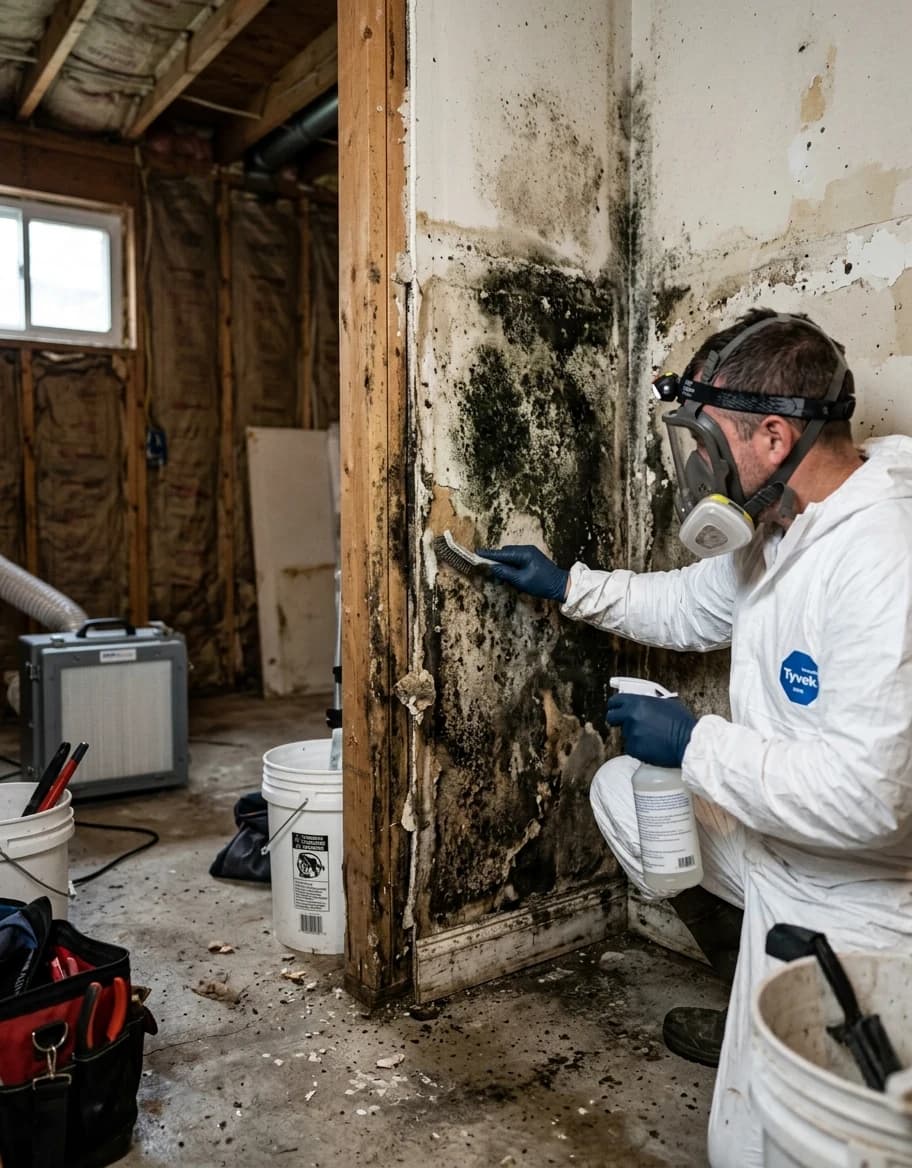
Mold can significantly reduce your property's value. Potential buyers are often deterred by the prospect of inheriting mold problems, which can be costly to remediate. Financially, the presence of mold might lead to reduced offers or even force a sale to fall through. Regular inspections and prompt removal are essential to maintain your property's market value.
When mold is discovered during a home inspection, it can lead to a renegotiation of the sale price or additional conditions for the sale, such as requiring the seller to perform mold remediation before closing. In some cases, buyers may withdraw their offer entirely, concerned about the potential for hidden mold damage or future mold issues.
Furthermore, mold can damage the structural integrity of a home. It can weaken wood framing, drywall, and other building materials, leading to costly repairs that can further devalue a property. As a homeowner, it's important to address mold issues quickly not only to prevent health risks but also to protect your investment. Implementing a regular maintenance plan that includes checking for leaks, ensuring proper ventilation, and controlling humidity can help prevent mold growth and preserve your property's value.
When mold is discovered during a home inspection, it can lead to a renegotiation of the sale price or additional conditions for the sale, such as requiring the seller to perform mold remediation before closing. In some cases, buyers may withdraw their offer entirely, concerned about the potential for hidden mold damage or future mold issues.
Furthermore, mold can damage the structural integrity of a home. It can weaken wood framing, drywall, and other building materials, leading to costly repairs that can further devalue a property. As a homeowner, it's important to address mold issues quickly not only to prevent health risks but also to protect your investment. Implementing a regular maintenance plan that includes checking for leaks, ensuring proper ventilation, and controlling humidity can help prevent mold growth and preserve your property's value.
What health issues can arise from untreated mold?
Prolonged exposure to mold can cause respiratory problems, skin irritations, and exacerbate existing health conditions like asthma. It can also lead to chronic conditions if not addressed. If anyone in your household starts experiencing unexplained symptoms, it may be time to consider professional mold testing and remediation. Learn more about our contact process for a detailed inspection.
Mold releases spores into the air, which can be inhaled, leading to issues such as nasal congestion, throat irritation, coughing, and wheezing. People with allergies, asthma, or compromised immune systems are particularly vulnerable to these effects. In severe cases, exposure to mold can lead to more serious health problems, including lung infections or severe allergic reactions.
Children, the elderly, and those with existing respiratory conditions may experience more pronounced symptoms. It's crucial for homeowners to be vigilant about signs of mold and seek professional help when necessary. Conducting regular air quality tests and keeping humidity levels below 60% can help in preventing mold growth. Using dehumidifiers in damp areas, such as basements, and ensuring good ventilation in kitchens and bathrooms are practical steps to mitigate mold-related health risks.
Mold releases spores into the air, which can be inhaled, leading to issues such as nasal congestion, throat irritation, coughing, and wheezing. People with allergies, asthma, or compromised immune systems are particularly vulnerable to these effects. In severe cases, exposure to mold can lead to more serious health problems, including lung infections or severe allergic reactions.
Children, the elderly, and those with existing respiratory conditions may experience more pronounced symptoms. It's crucial for homeowners to be vigilant about signs of mold and seek professional help when necessary. Conducting regular air quality tests and keeping humidity levels below 60% can help in preventing mold growth. Using dehumidifiers in damp areas, such as basements, and ensuring good ventilation in kitchens and bathrooms are practical steps to mitigate mold-related health risks.
Can untreated mold spread to other parts of the home?
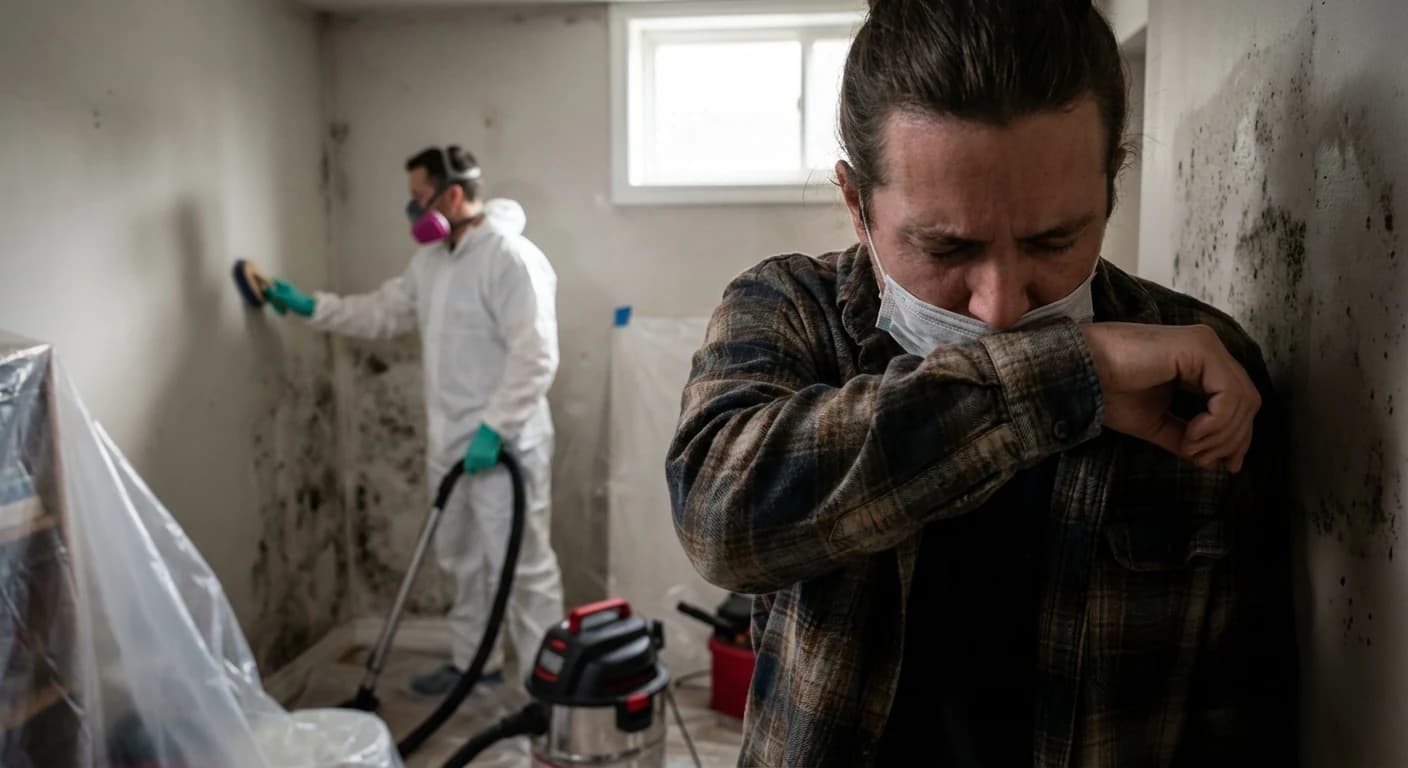
Yes, mold can easily spread throughout a home, especially in areas with high humidity. What starts as a small problem in the basement can quickly move to the attic or living areas if not addressed promptly. Mold spores travel through the air and can attach to clothing, furniture, and building materials, making containment and professional removal crucial steps.
Mold thrives in moist environments, so it's common to find it in bathrooms, kitchens, and basements where water usage is high. However, once mold starts growing, it can spread to any area of the home. Mold spores are microscopic and can become airborne, traveling through HVAC systems and settling in new areas where conditions are favorable.
To prevent mold from spreading, it's crucial to address water leaks and moisture problems immediately. Fix any plumbing leaks, ensure proper drainage around the foundation, and use exhaust fans to reduce humidity in moisture-prone areas. If mold is visible or suspected, it's best to contact a professional mold remediation service to assess the situation and develop a plan for safe removal. Regularly cleaning and maintaining HVAC systems can also help prevent the spread of mold spores throughout the home.
Mold thrives in moist environments, so it's common to find it in bathrooms, kitchens, and basements where water usage is high. However, once mold starts growing, it can spread to any area of the home. Mold spores are microscopic and can become airborne, traveling through HVAC systems and settling in new areas where conditions are favorable.
To prevent mold from spreading, it's crucial to address water leaks and moisture problems immediately. Fix any plumbing leaks, ensure proper drainage around the foundation, and use exhaust fans to reduce humidity in moisture-prone areas. If mold is visible or suspected, it's best to contact a professional mold remediation service to assess the situation and develop a plan for safe removal. Regularly cleaning and maintaining HVAC systems can also help prevent the spread of mold spores throughout the home.
How to Identify Mold Before It Becomes a Major Problem
Identifying mold early can save homeowners both time and money, as it is easier to address when it's still a minor issue. One of the first signs of mold is a musty odor, often noticeable in enclosed spaces like basements or attics. If you detect such a smell, it's important to investigate further. Look for visible signs of mold, which often appear as black, green, or white spots on walls, ceilings, or around plumbing fixtures. Pay special attention to areas with high humidity or past water damage, as these are prime locations for mold growth.
Another way to identify mold is to monitor health symptoms. If household members experience frequent allergy-like symptoms, such as sneezing, coughing, or itchy eyes, it could be an indication of mold presence. Keep an eye on any discolored patches on walls or ceilings, which may indicate hidden mold. In some cases, walls may feel damp or soft to the touch, suggesting underlying mold issues.
To prevent mold from becoming a major problem, conduct regular home inspections. Check for leaks in roofs, windows, and pipes, and ensure that your home is well-ventilated. Consider using a hygrometer to monitor indoor humidity levels, keeping them below 60% to discourage mold growth. If you suspect mold but cannot find it, hiring a professional for a thorough inspection can provide peace of mind and help you address any issues before they escalate.
Another way to identify mold is to monitor health symptoms. If household members experience frequent allergy-like symptoms, such as sneezing, coughing, or itchy eyes, it could be an indication of mold presence. Keep an eye on any discolored patches on walls or ceilings, which may indicate hidden mold. In some cases, walls may feel damp or soft to the touch, suggesting underlying mold issues.
To prevent mold from becoming a major problem, conduct regular home inspections. Check for leaks in roofs, windows, and pipes, and ensure that your home is well-ventilated. Consider using a hygrometer to monitor indoor humidity levels, keeping them below 60% to discourage mold growth. If you suspect mold but cannot find it, hiring a professional for a thorough inspection can provide peace of mind and help you address any issues before they escalate.
Steps to Take When Mold is Discovered in Your Home
Discovering mold in your home can be alarming, but taking immediate action can prevent further damage and health risks. The first step is to assess the extent of the mold problem. Small areas of mold, typically less than 10 square feet, can often be addressed by homeowners with appropriate safety measures, such as wearing gloves and a mask. Use a mixture of water and detergent to clean the moldy area, and ensure it is thoroughly dried to prevent recurrence.
For larger mold infestations, or if the mold is located in hard-to-reach areas, it's advisable to contact a professional mold remediation service. Professionals have the necessary equipment and expertise to safely remove mold and prevent it from spreading. They can also identify the source of moisture causing the mold, which is crucial for preventing future growth.
In addition to addressing the mold itself, take steps to mitigate moisture problems in your home. Fix leaks promptly, improve ventilation in bathrooms and kitchens, and use dehumidifiers in damp areas. Regularly inspect and maintain your home's plumbing and roofing to catch potential issues early. For those living in humid climates like Haworth, NJ, these preventive measures are especially important. By taking these steps, you can effectively manage mold issues and protect both your home and your health.
For larger mold infestations, or if the mold is located in hard-to-reach areas, it's advisable to contact a professional mold remediation service. Professionals have the necessary equipment and expertise to safely remove mold and prevent it from spreading. They can also identify the source of moisture causing the mold, which is crucial for preventing future growth.
In addition to addressing the mold itself, take steps to mitigate moisture problems in your home. Fix leaks promptly, improve ventilation in bathrooms and kitchens, and use dehumidifiers in damp areas. Regularly inspect and maintain your home's plumbing and roofing to catch potential issues early. For those living in humid climates like Haworth, NJ, these preventive measures are especially important. By taking these steps, you can effectively manage mold issues and protect both your home and your health.
Long-Term Consequences of Ignoring Mold
Ignoring mold growth in your home can lead to a host of long-term consequences that extend beyond immediate health risks and property damage. Over time, untreated mold can compromise the structural integrity of your home. Mold can deteriorate materials like wood, drywall, and insulation, leading to costly repairs that could have been avoided with early intervention. This structural damage can also increase the risk of accidents, such as collapsing ceilings or weakened floors, posing safety hazards to the inhabitants.
Moreover, mold can create an environment conducive to the growth of other harmful microorganisms, including bacteria and dust mites. This can exacerbate health issues for residents, particularly those with allergies or respiratory conditions. Long-term exposure to mold has been associated with the development of serious health conditions, including hypersensitivity pneumonitis and chronic sinusitis, which can significantly impact quality of life.
Financially, the costs of dealing with extensive mold damage can be substantial. Besides the direct costs of mold remediation and structural repairs, homeowners may face increased insurance premiums or even policy cancellations if mold issues are not addressed promptly. Additionally, if you plan to sell your property, the presence of mold can deter potential buyers and reduce the market value of your home. To avoid these long-term consequences, it's crucial to address mold issues as soon as they arise and implement preventive measures to control moisture and humidity levels in your home.
Moreover, mold can create an environment conducive to the growth of other harmful microorganisms, including bacteria and dust mites. This can exacerbate health issues for residents, particularly those with allergies or respiratory conditions. Long-term exposure to mold has been associated with the development of serious health conditions, including hypersensitivity pneumonitis and chronic sinusitis, which can significantly impact quality of life.
Financially, the costs of dealing with extensive mold damage can be substantial. Besides the direct costs of mold remediation and structural repairs, homeowners may face increased insurance premiums or even policy cancellations if mold issues are not addressed promptly. Additionally, if you plan to sell your property, the presence of mold can deter potential buyers and reduce the market value of your home. To avoid these long-term consequences, it's crucial to address mold issues as soon as they arise and implement preventive measures to control moisture and humidity levels in your home.
Preventive Measures to Keep Mold at Bay
Prevention is key when it comes to managing mold in your home. Implementing a few strategic measures can significantly reduce the risk of mold growth and ensure a healthy living environment. Start by controlling humidity levels, as mold thrives in damp conditions. Use dehumidifiers in areas prone to moisture, such as basements and bathrooms, and aim to keep indoor humidity levels below 60%. Regularly using exhaust fans during and after showers can also help reduce moisture build-up.
Proper ventilation is another critical factor in mold prevention. Ensure that your home has adequate airflow by opening windows when weather permits and using ceiling fans to circulate air. In addition, maintaining your HVAC system can prevent mold spores from spreading throughout your home. Change air filters regularly and consider having your ducts cleaned by professionals to remove any mold spores that may have accumulated.
Addressing leaks promptly is essential. Regularly inspect your home for signs of water leaks, including around windows, roofs, and plumbing fixtures. Repair any leaks immediately to prevent water accumulation, which can lead to mold growth. For homes in areas like Haworth, NJ, where humidity can be high, these preventive measures are even more crucial. By taking these proactive steps, you can effectively reduce the risk of mold in your home, protecting both your property and your family's health.
Proper ventilation is another critical factor in mold prevention. Ensure that your home has adequate airflow by opening windows when weather permits and using ceiling fans to circulate air. In addition, maintaining your HVAC system can prevent mold spores from spreading throughout your home. Change air filters regularly and consider having your ducts cleaned by professionals to remove any mold spores that may have accumulated.
Addressing leaks promptly is essential. Regularly inspect your home for signs of water leaks, including around windows, roofs, and plumbing fixtures. Repair any leaks immediately to prevent water accumulation, which can lead to mold growth. For homes in areas like Haworth, NJ, where humidity can be high, these preventive measures are even more crucial. By taking these proactive steps, you can effectively reduce the risk of mold in your home, protecting both your property and your family's health.